Women's hooded parkas, long or mid-season


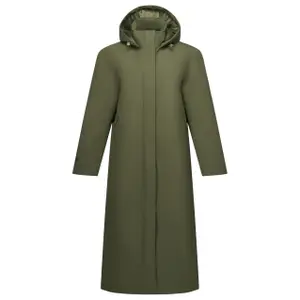
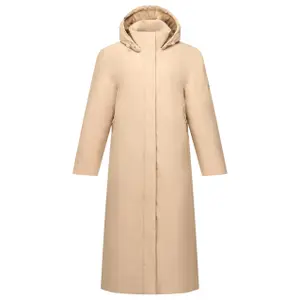
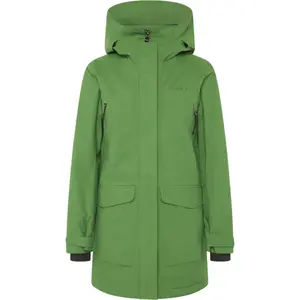
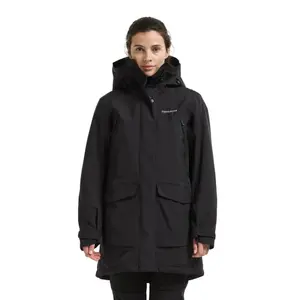
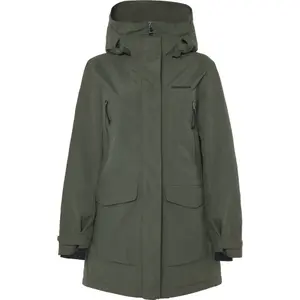
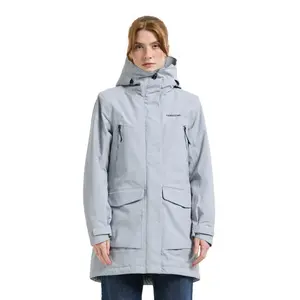
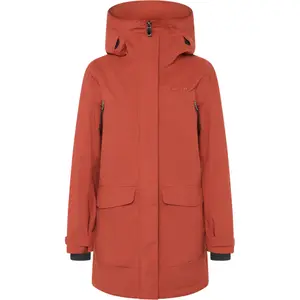
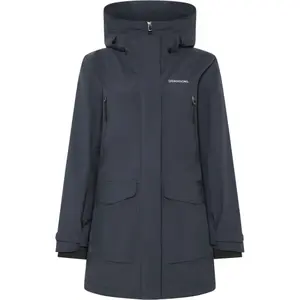
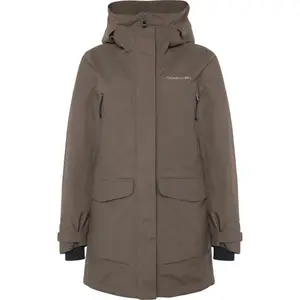


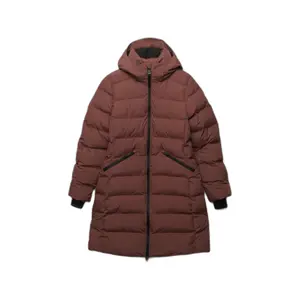


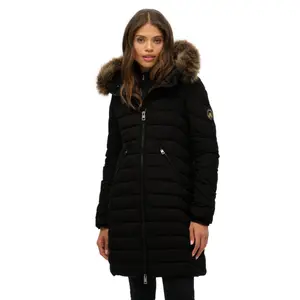


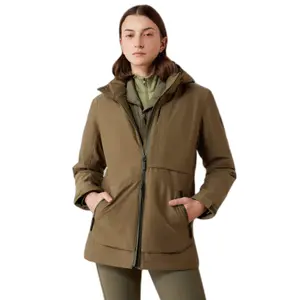


A women's parka is recognised by its hood and length, which covers the hips or thighs: waterproof for the rain, lined for winter, and lighter for mid-season. It's the most versatile coat for wet winters. Among the brands available are: Didriksons, Aigle, Desigual, Helly Hansen, Superdry and Geox.
For a waterproof parka, check that the seams are sealed and that the hood is adjustable: that’s where the water gets in first.
Which women's parka to choose?
A women's parka is chosen according to the season and the climate. Each version has its use.
- Winter parka, insulated or padded, keeps you warm in cold and wet weather.
- Mid-season parka, unlined or with a light lining, protects against wind and showers in spring and autumn.
- Long parka, which extends below the backside or to the knees, covers the thighs in the rain.
- Short parka, at hip length, stays practical for cycling and driving.
How to choose a waterproof parka?
A waterproof parka combines a coated fabric or a membrane that stops water, sealed seams, and an adjustable hood that doesn't fall over your eyes. If the membrane is breathable, moisture escapes, and you stay dry, even when walking quickly.
A flap over the zipper, adjustable cuffs, and a drawstring hem close off the last gaps to rain and wind. A simply water-repellent fabric, which beads water, is enough for a shower but not for persistent rain.
Parka or down jacket: which to choose?
The parka offers better protection from rain and wind thanks to its outer fabric and length; the women's down jacket provides more warmth for its weight in dry and cold conditions. For a damp and mild winter, the hooded parka is often the most suitable choice.
Some parkas combine the two, with a padded lining or a removable down jacket: the outer jacket works alone for mid-season, while the full set is for the heart of winter.
How to wear a women's parka?
In the city, a mid-length parka can be worn with jeans or a straight women's trouser and ankle boots, or open over a thick sweater. A belt or drawstring at the waist shapes the silhouette in a loose-fitting style.
In rainy weather, a long parka goes well with rain boots that rise beneath the hem. Khaki, navy, and black remain the easiest colours to wear.
What size parka should you take?
Choose the parka size by trying it on or measuring, with a thick sweater underneath: it should close without pulling and allow you to raise your arms. The sleeves should cover the wrist when your arms are outstretched.
A slightly loose parka fits better than a snug parka: it allows air to circulate, which keeps you warm, and accommodates multiple layers depending on the temperature.
Which parka brands to choose?
These parka brands each have their specialty, from Scandinavian rainwear to urban styles.
- Didriksons, a Swedish brand, specializes in waterproof jackets and parkas.
- Aigle, a French brand born from vulcanized rubber, maintains its factory in Ingrandes where its bootmakers craft its boots.
- Desigual, a Barcelona brand known for its pattern mixes, also offers parkas.
- Helly Hansen, a Norwegian brand, originated from the first rain gear designed for sailors.
- Hailing from Cheltenham in England, Superdry applies its blend of American vintage and Japanese inspiration to its parkas.
- Geox, an Italian house known for its membrane that lets moisture escape while stopping water, also makes parkas.
What other winter clothes to choose?
Other warm clothes complement or replace the parka. The women's fleece can be worn as a mid-layer under an unlined parka; wool coats, trench coats, and waterproof jackets are on the jackets and coats page.
When to find parkas at reduced prices?
The parka protects against both cold and rain, from autumn to late winter. Discounted parkas can be found during Black Friday, at the start of the season, or during winter sales, right in the middle.
The page parkas for Black Friday groups discounted models in November. For sales, check the page women's clothing sales; for other discounts, see the page Promotions. Fast shipping and best price guaranteed.
Frequently asked questions
How to re-waterproof a parka?
When water no longer beads, wash the parka with a technical detergent, then apply a waterproofing spray to the clean, damp fabric. A tumble dry on a low setting, if permitted by the label, reactivates the water-repellent treatment.
Is a parka enough for extreme cold?
An insulated or padded parka is sufficient for a mild winter. In severe dry cold, layer a fleece or lightweight down jacket underneath, or opt for a long padded parka that covers the thighs.
How to wash a parka?
Empty the pockets, close the zippers, and wash it at 30 °C on a delicate cycle, without fabric softener, as that clogs the pores of the membrane. Remove the removable fur from the hood before washing, and let the parka air dry.
What colour parka to choose?
Khaki, the historical colour of the parka, navy, and black go with almost any outfit. A bright colour stands out better in the rain and at night, a bonus for cycling.
Is a removable hood necessary?
A fixed hood offers better protection as it leaves no gaps at the collar. A removable hood allows you to wear the parka more neatly in the city and can be added on rainy days.