Women's slippers in wool, felt or shearling


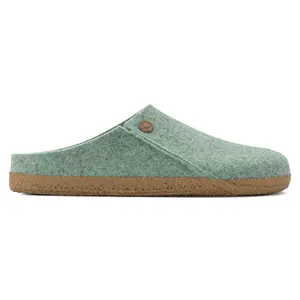


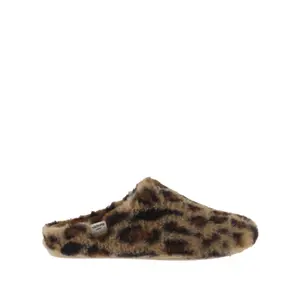
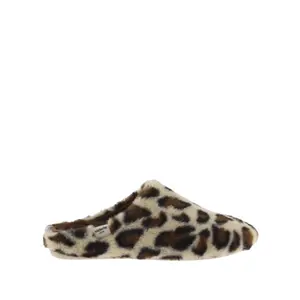


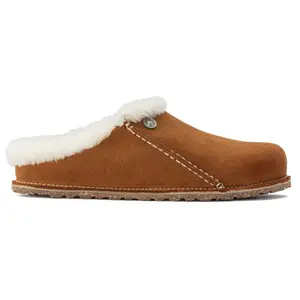
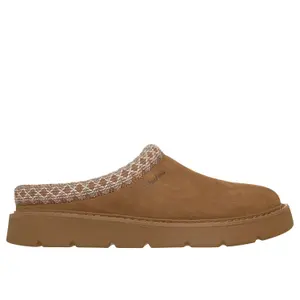
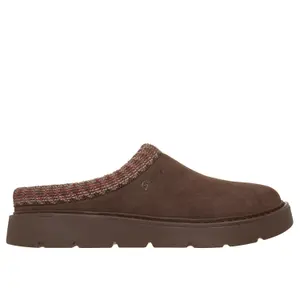
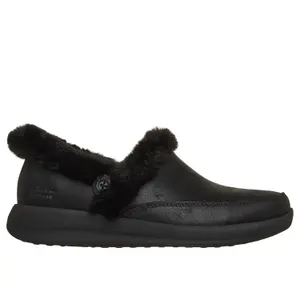
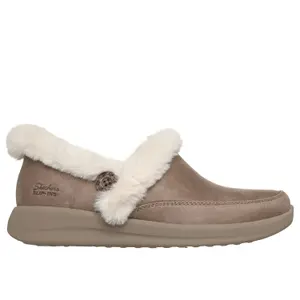

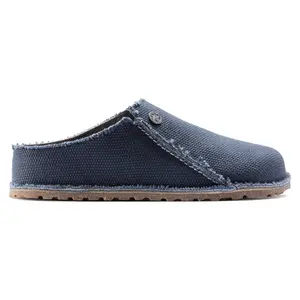


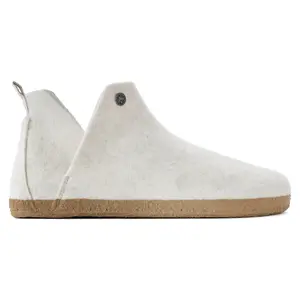
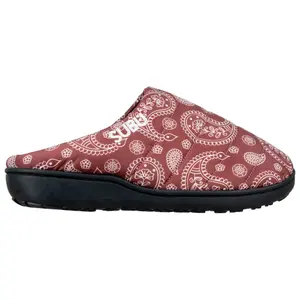


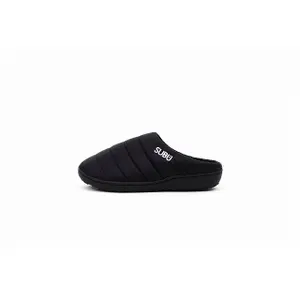
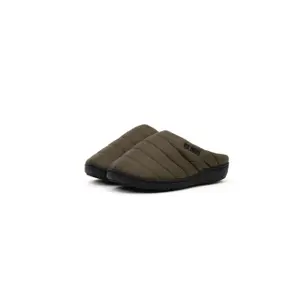
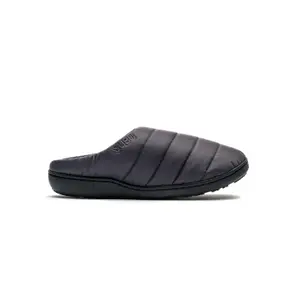
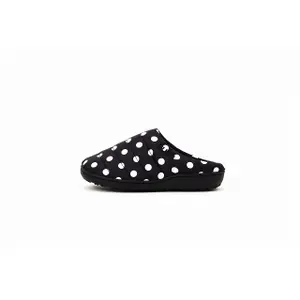
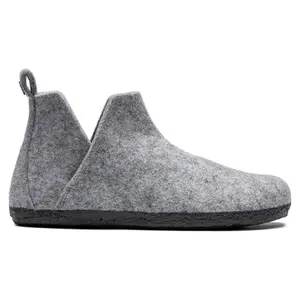
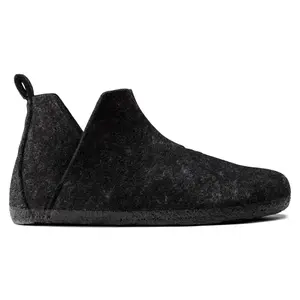
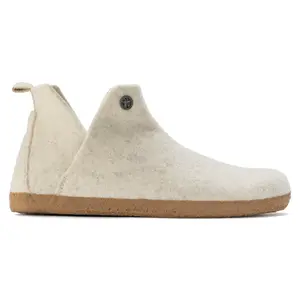

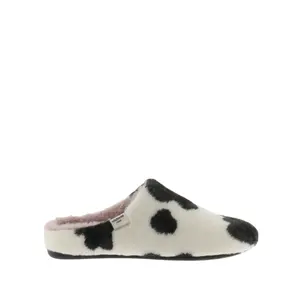
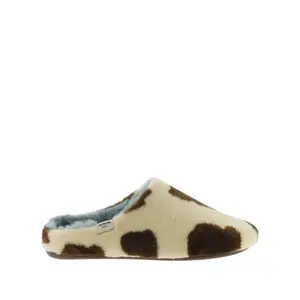
Women's slippers are chosen based on their material and sole: boiled wool and felt for warmth, sheepskin for softness, soft textile for mid-season, flexible soles for indoor use or rigid ones for stepping outside. Brands available include: Birkenstock, Victoria, EMU Australia, Moon Boot and Shepherd of Sweden.
For comfortable slippers, a slip-resistant sole and a supportive heel help prevent slipping and cause less foot fatigue than completely flat mules.
Which women's slippers to choose?
Women's slippers vary in shape and coverage of the foot.
- Closed slippers, or slippers, cover the whole foot and heel: they are the warmest and most stable for winter.
- Mule slippers, open at the back, are easy to slip on and suitable for mid-season.
- Boot slippers rise to the ankle and are often lined, keeping warmth all the way down to the leg.
Wool, felt or sheepskin: what material?
Wool or felt slippers keep your feet warm while allowing them to breathe: wool regulates temperature and absorbs moisture without making your feet feel wet. Felt, dense and durable, retains its shape for a long time.
Sheepskin slippers offer the softest and warmest lining and can be worn barefoot. Polar and synthetic textiles are lighter, easier to wash in the machine, and dry quickly.
How to choose comfortable slippers?
Comfortable slippers support the foot just like a shoe: an insole that follows the arch, a secured heel, and an outer sole that cushions your step. An anatomical sole, like that of felt indoor clogs, relieves feet that spend a lot of time standing at home.
If you have sensitive feet or a bunion, choose a soft material with no seams at the front of the foot, or an adjustable opening model. Memory foam slippers conform to the foot but tend to wear out faster.
Soft or rigid sole: which to choose?
A soft sole, made of suede or textile, is the most comfortable on wooden floors or carpets, but it wears out quickly and offers little protection. An anti-slip sole made of rubber or silicone grips on tiles and allows you to step outside to collect the post or go to the garden.
For older people or slippery surfaces, a treaded sole and a closed-back slipper reduce the risk of falls more effectively than an open mule.
How to care for slippers?
Wool or felt slippers should be brushed dry and aired regularly; a stain can be cleaned with cold water and mild soap, without scrubbing. Textile models can often be washed in the machine, cold, in a laundry bag, as long as the label allows it.
Sheepskin is cleaned with a special product and air dried away from a radiator to prevent it from hardening. A bit of bicarbonate of soda left inside overnight absorbs odours.
Which slipper brands to choose?
These slipper brands each have their specialty, from wool to sheepskin.
- Birkenstock, a German brand known for its anatomical sole, offers it on its felt and wool indoor slippers. Its models can be found on the Birkenstock slippers page.
- Victoria, a Spanish brand from La Rioja known for its canvas sneakers, also offers cosy slippers. They are collected on the Victoria slippers page.
- EMU Australia, an Australian brand, specializes in sheepskin and merino wool, with a range made in Australia.
- Moon Boot, an Italian brand from the Tecnica group inspired by astronaut boots, offers its style on slippers.
- Shepherd of Sweden, a Swedish brand from Svenljunga, started with one slipper and works with sheepskin.
What shoes to wear when going out?
For going from home to the street, slip-on shoes take over: mules and clogs for short trips, and fur-lined women's boots for cold and snow. Other models are gathered on the women's shoes page.
When to find slippers at a reduced price?
We think of slippers as winter approaches: Black Friday falls at that time, just before the holidays, making them an easy gift. The winter sales follow for slippers on sale.
In November, visit the page Black Friday; during the sales, check the page women's shoe sales; and for the rest of the year, you can look at the page Promotions. Fast delivery and best price guaranteed.
Frequently Asked Questions
What slipper size to choose?
Take your usual size for textile or felt slippers. For sheepskin slippers worn barefoot, they might feel tight at first: wool compresses, and the slipper expands slightly with wear.
Do wool slippers keep warm even in summer?
Wool regulates temperature: it keeps warmth in winter but remains breathable and doesn’t make you sweat like synthetic materials. In summer, a lightweight wool or cotton slipper remains pleasant.
Can slippers be washed in the machine?
Only if the label allows it: textile and fleece models can often be washed at 30°C, in a laundry bag. Boiled wool, felt, leather, and sheepskin are cleaned by hand with a mild soap.
How to avoid slipping in slippers?
Choose a treaded rubber sole rather than a suede or textile sole, and a model that is closed at the heel. On a smooth sole, non-slip adhesive pads can improve grip.
Should you wear socks with slippers?
Sheepskin and wool slippers are best worn barefoot: wool regulates temperature better when in contact with skin. With a textile slipper, a thin sock keeps the slipper cleaner for longer.