Plus-size women's jeans


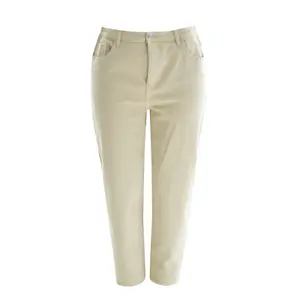
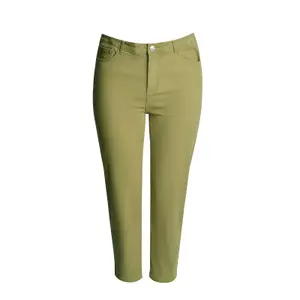
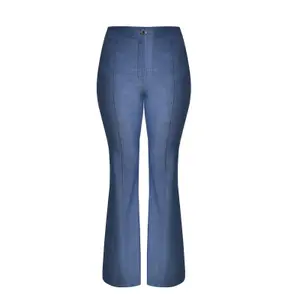
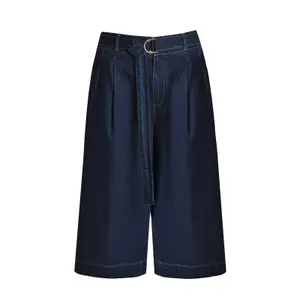
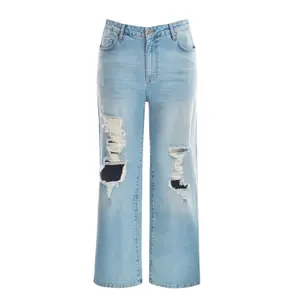
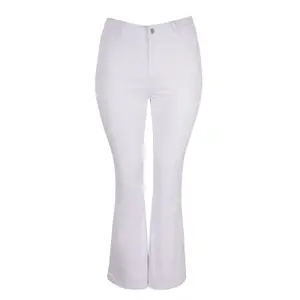
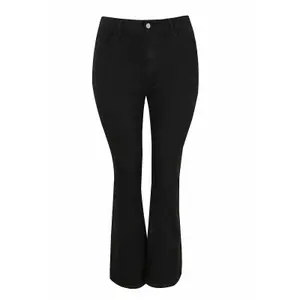

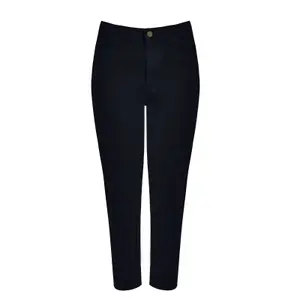
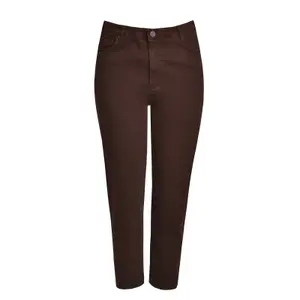
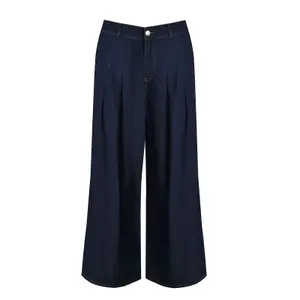
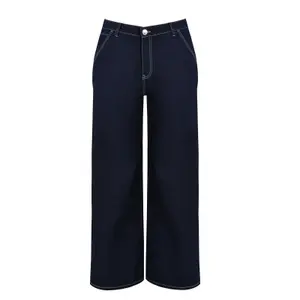
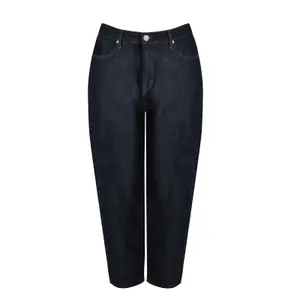
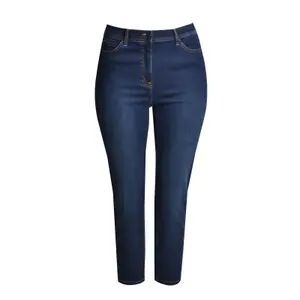
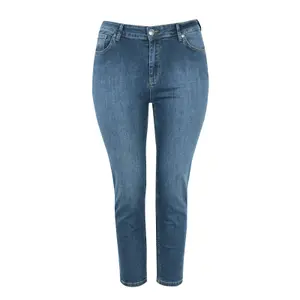
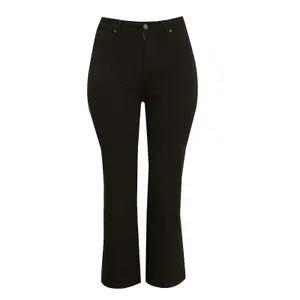
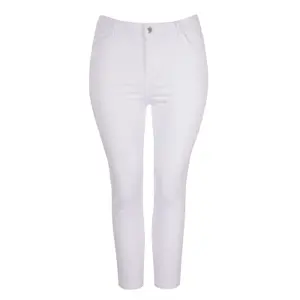
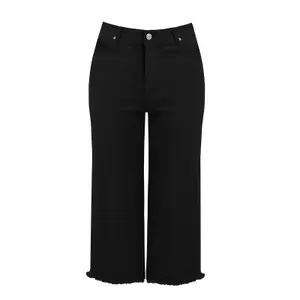
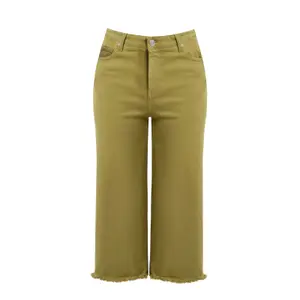
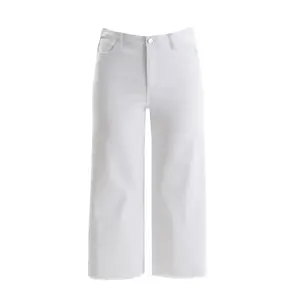
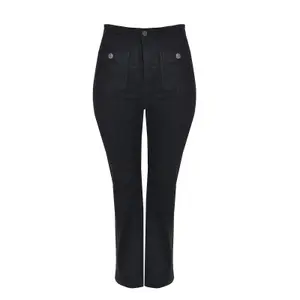
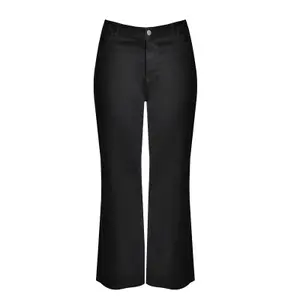
Plus-size women's jeans come in various styles such as wide leg, bootcut, flared or slim, with options including high waist, stretch denim or firmer cotton.
A well-fitting plus-size jean is chosen based on three measurements: waist, hip and thigh circumference, with the latter often determining between two sizes. For a round belly, high waists are often the most comfortable.
How to find your plus-size jean size?
To choose a women's plus-size jean accurately, it's best to measure yourself instead of relying on the size of your last pair of jeans: a size can vary between brands and doesn't always correspond to the same measurements. Take three measurements with a flexible tape measure laid flat.
- Your waist measurement, where you usually wear your jeans.
- Your hip measurement, at the widest point.
- Your thigh measurement, at the fullest point, just below the crotch: this often is the deciding factor between two sizes when the jeans fit at the waist but are tight on the thighs.
On a label in inches, the W indicates the waist measurement and the L indicates the inseam length. An inch is 2.54 cm: for example, a W40 corresponds to a waist measurement of approximately 102 cm. Write down your measurements to compare each model before making a choice.
Which jean style to choose based on your body shape?
The right jean style depends on your body shape: the area you want to highlight, the one you prefer to balance, and what you wear with it.
- Wide-leg plus-size jeans are loose from the hip to the ankle. They provide comfort for the thighs, do not accentuate curves, and look best in high-waisted styles paired with a tucked-in top.
- Bootcut jeans are fitted until the knee and then slightly flare out. They balance out defined hips, typical of an A-shape body, and work well with ankle boots.
- Flared jeans open more significantly from the knee: they elongate the leg, especially when wearing heels.
- Slim jeans fit the leg without clinging as much as skinny jeans do. They pair easily with longer tops, which can be chosen from the plus-size tops and shirts, or with a sweater that covers the hips.
If you're looking for straight-leg or mom jeans, the same logic applies: straight-leg jeans fall without constricting the thigh, while mom jeans are roomy at the hips and narrower towards the ankle.
High-rise, mid-rise or elastic: which size for a round stomach?
For a round stomach, a high-rise jean is often the most comfortable: the waistband sits above the hips, supports the belly, and stays in place when you sit down. It also defines the waist, balancing the upper and lower body, especially with a tucked-in top or a cropped jacket.
A mid-rise jean, with the waistband resting slightly below the navel, allows more freedom for the stomach if you dislike the feeling of a high waistband. The elastic waist, it, slips on without buttons or a fly and adapts to changes in waist size throughout the day; however, it offers less support for the stomach and gives a more casual look, similar to jeggings.
Stretch denim or rigid denim: which material to prefer?
For an everyday jean, a stretch jean is often the most comfortable choice: the cotton denim is blended with an elastic fibre, elastane, which moves with you whether sitting or standing.
Rigid denim, made mostly or entirely of cotton, feels firmer at first but will soften to your body over time. To compare two models, look at the composition: the higher the cotton content, the closer the jean is to classic denim; the more elastane it contains, the more flexible it is.
What does curvy, curve or plus size jean mean?
A curvy jean is tailored for silhouettes where the hips are considerably wider than the waist: for the same waist size, it offers more room in the hips, buttocks, and thighs, with a tighter waistband at the back. Depending on the brands, the term curve either refers to this cut or a plus-size line, and plus size, borrowed from English, indicates plus size: a jean can therefore be plus size without being curvy, and vice versa.
The curvy cut addresses the most common issue with standard jeans for curvy silhouettes: the waistband that gapes at the back while the jeans are snug on the thighs. If you often hesitate between two sizes for this reason, this is the cut to try first.
What length of jeans if you are petite or tall?
The jean length can be found in the L on the label, which refers to the inseam length in inches: an L30 measures approximately 76 cm, an L32 about 81 cm, and an L34 around 86 cm. Measure your inseam from the inside of your thigh to the floor, barefoot, and compare.
If you are petite, the 7/8 length, which stops above the ankle, avoids hems and shows off the foot, whether paired with sneakers or ballerina flats. If you are tall, look for a long-length jean and ensure that a wide leg or bootcut style goes low enough to cover the top of your shoe. A professional tailor can shorten a jean while keeping the original hem and faded look.
What colour of jeans to choose?
Dark or raw blue remains the easiest colour: it dresses you up more than faded jeans and can be worn both during the week and at the weekend. Black jeans elongate the silhouette and go with any colour, while white jeans brighten up a light outfit in good weather. Faded and light blue jeans give a more casual look.
How to tell if a jean fits well when trying it on?
A well-fitting jean can be recognised when you can sit down, bend, and walk without feeling constricted or having it slip down. Make these movements as soon as you try them on, rather than just judging while standing in front of the mirror.
- Sitting, the waistband should not dig into your belly and the fabric should not pull at the knees.
- In the crotch, baggy fabric indicates a jean that is too tight on the thighs or has a short rise.
- On the hips, the front pockets should not gape or pull at the sides.
- At the bottom, the hem should just touch the shoes you will wear most often.
What other plus-size trousers to choose?
Depending on the occasion, another plus-size trouser can take over from jeans: joggers, leggings, cargo trousers or classic trousers.
- The page all plus-size trousers includes jeans, joggers, leggings, chinos, cargos, and classic trousers in one selection.
- Plus-size joggers are perfect for rest days or light sports.
- Plus-size leggings can be worn under a tunic or long dress.
- The plus-size cargo pant maintains the relaxed vibe of jeans but adds patch pockets.
- Plus-size classic trousers include styles that are neither jeans, joggers, nor leggings.
When to find cheap plus-size jeans?
Discounted plus-size jeans are mainly available during key times of the year, which follow this order: Black Friday, the end-of-year holidays, winter sales, and then summer sales.
During Black Friday, the page trousers of the Black Friday gathers all the discounted trousers, including jeans. During sales, the Sales page collects all site discounts. Between major events, the Promotions page brings together reduced-price items, the page Good Deals includes current offers, and the page new trousers showcases the latest season's models. Fast delivery and best price guaranteed.
Frequently asked questions
At what size do we call jeans plus-size?
In France, we generally refer to plus-size jeans starting from size 44 or 46, depending on the brands. Jeans labelled in inches or letters can then be compared based on waist and hip measurements in centimetres.
Should you go up a size for stretch jeans?
No, not as a rule: a stretch jean loosens slightly over the hours and wears. When trying them on, it should fit snugly without squeezing, as a size too large will result in bagging at the knees and slipping at the waist.
How to avoid wear between the thighs on jeans?
Wear at the crotch comes from the repeated friction of the thighs against each other, especially on thin fabric. A thicker fabric and a cut that provides a bit of ease in the thighs, like a wide jean, helps delay the problem. As soon as the fabric thins, a fusible reinforcement applied on the inside extends the life of the jean.
How to wash stretch jeans without distorting them?
Wash them inside out, at a maximum of 30 °C, with a gentle detergent, without bleach or fabric softener. Avoid tumble drying, as the heat damages the elastane, and let them air dry. The less you wash them, the better they keep their shape and colour.
How to recognise a quality plus-size jean?
To assess the quality of a jean, first check the composition and thickness of the fabric, then the seams: they should be double-stitched at the crotch and pockets, with no threads sticking out. Also check the strength of the button and the fly, and the presence of a detailed size guide, including waist, hip, and inseam measurements.